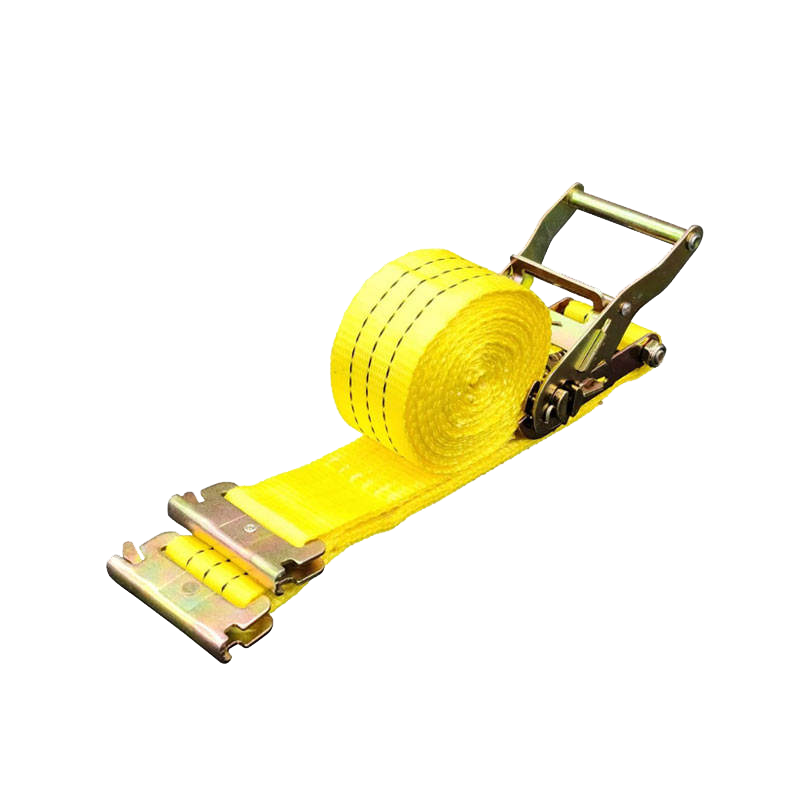
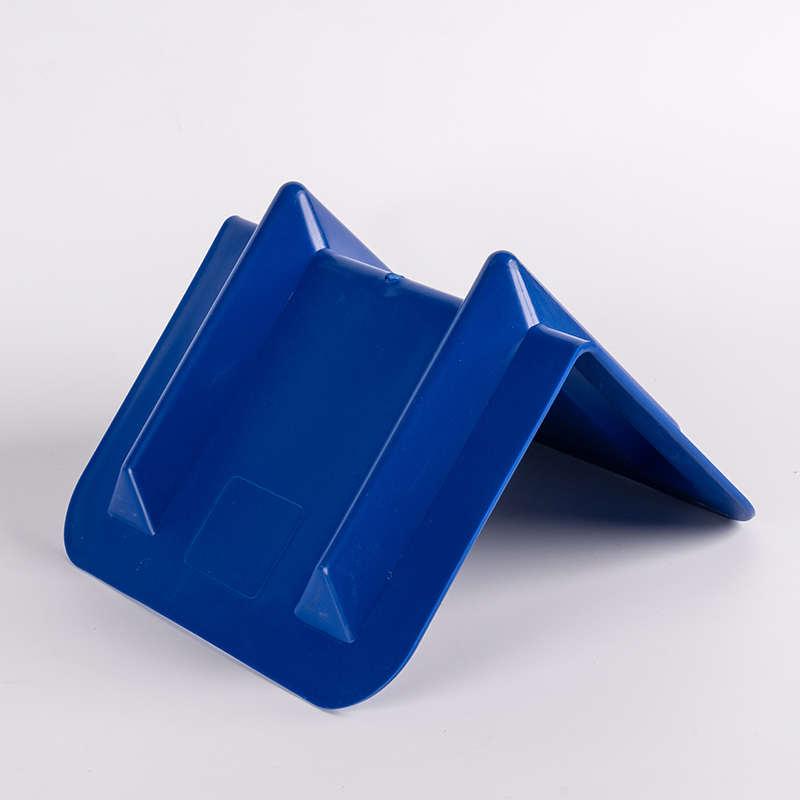
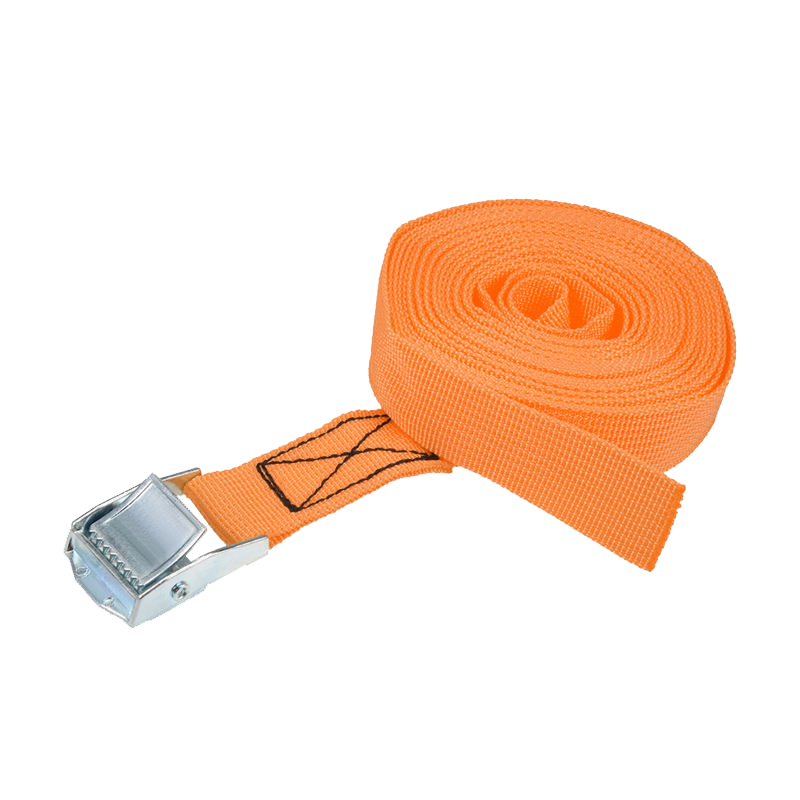
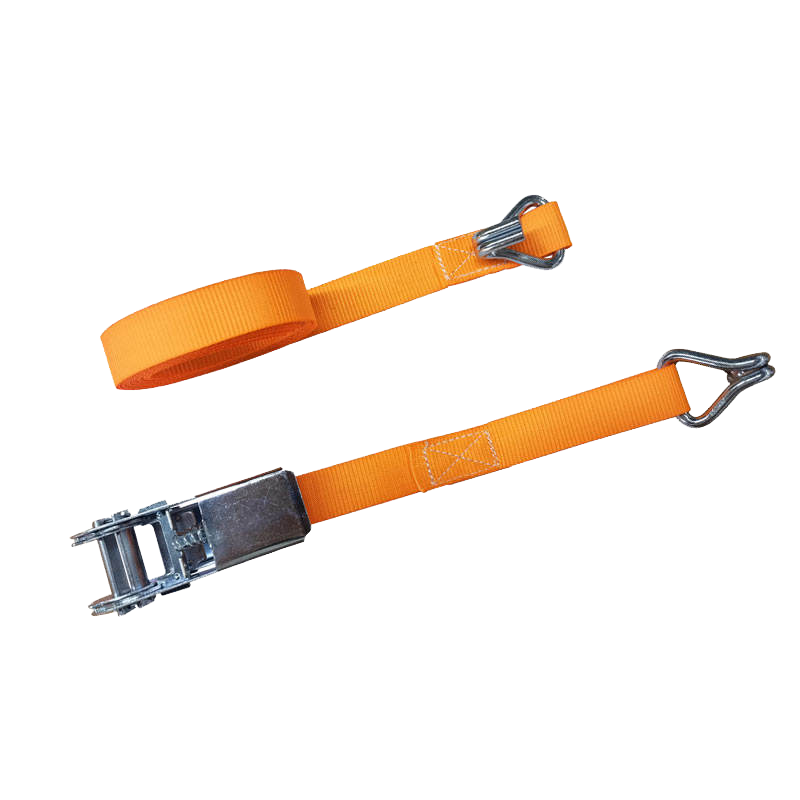
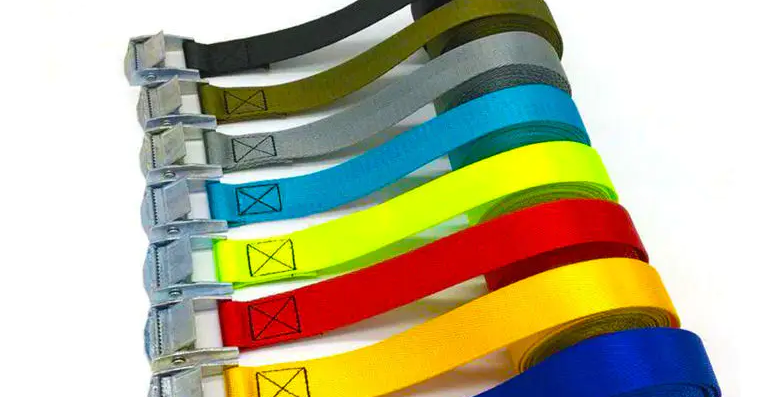
Un cinturino con fibbia a camma è uno strumento versatile e facile da usare per fissare il carico durante il trasporto. A differenza delle cinghie a cricchetto, le cinghie con fibbia a camma utilizzano un semplice meccanismo a camma per stringere la cinghia e tenere gli oggetti in posizione senza il rischio di stringerli eccessivamente. Per fissare il carico utilizzando una cinghia con fibbia a camma, seguire questi semplici passaggi per garantire sicurezza e stabilità durante il trasporto.
1. Preparare il cinturino con fibbia a camma
Prima di fissare il carico, assicurarsi che la cinghia della fibbia a camma sia in buone condizioni. Verificare la presenza di eventuali segni di danneggiamento come sfilacciamento o usura. Assicurarsi che il meccanismo della fibbia a camma funzioni correttamente e che la cinghia sia priva di ostruzioni.
Una volta che la cinghia è pronta, stendila in modo che sia facile farla passare attraverso la fibbia a camma durante il fissaggio.
2. Posizionare la cinghia attorno al carico
Posiziona la cinghia attorno al carico. Assicurarsi che la cinghia sia posizionata uniformemente e che scorra attraverso il carico in modo da distribuire uniformemente la pressione. Ciò è particolarmente importante per gli articoli più grandi e pesanti in cui un posizionamento non uniforme della cinghia potrebbe causare instabilità durante il trasporto.
Assicurarsi che la fibbia della camma sia posizionata in un punto in cui sia facilmente accessibile per stringerla. Se si utilizzano più cinghie, ripetere questo passaggio per assicurare che ogni pezzo di carico sia fissato correttamente.
3. Infilare la cinghia attraverso la fibbia a camma
Prendi l'estremità libera della cinghia e infilala attraverso la fibbia a camma. La fibbia a camma deve avere una scanalatura o un'apertura in cui viene inserita la cinghia. Passare la cinghia attraverso la fibbia lateralmente, assicurandosi che la cinghia sia posizionata correttamente.
Stringere la cinghia tirando delicatamente l'estremità libera. Assicurarsi che non ci siano torsioni nella cinghia e che la cinghia sia piatta e tesa uniformemente sul carico.
4. Stringere la cinghia utilizzando il meccanismo a camma
Una volta posizionata la cinghia, tirare saldamente l'estremità libera della cinghia per garantire che il carico sia tenuto saldamente. Il meccanismo della fibbia a camma bloccherà automaticamente il cinturino in posizione una volta stretta. È importante verificare che la cinghia sia fissata saldamente, ma fare attenzione a non stringerla eccessivamente, poiché ciò potrebbe danneggiare il carico o la cinghia stessa.
Se è necessario regolare la tensione, è sufficiente sollevare la leva della fibbia a camma e allentare la cinghia prima di regolarla nuovamente alla tensione desiderata.
5. Fissare l'estremità libera della cinghia
Una volta stretta la fibbia a camma e assicurato il carico, infilare ordinatamente la cinghia in eccesso per evitare che si impigli in qualsiasi cosa durante il trasporto. Molti cinturini con fibbia a camma sono dotati di un passante incorporato o di velcro per fissare la lunghezza in eccesso, ma se il tuo non lo fa, puoi allacciarlo o riporlo per evitare qualsiasi potenziale movimento.
6. Ricontrollare il carico
Prima di trasportare il carico, controllare sempre la tensione della cinghia e la stabilità del carico. Scuoti leggermente il carico per assicurarti che sia sicuro e non si posti durante il trasporto. Se il carico è allentato o non è stretto in modo uniforme, regolare la cinghia secondo necessità.
Domande frequenti
Q1: Posso utilizzare le cinghie con fibbia a camma per carichi pesanti?
Sì, i cinturini con fibbia a camma sono disponibili in varie capacità di peso, comprese le opzioni per carichi pesanti. Assicurati di scegliere una cinghia adatta al peso del tuo carico.
Q2: I cinturini con fibbia a camma sono regolabili?
Sì, i cinturini con fibbia a camma sono altamente regolabili. È possibile stringere o allentare la cinghia secondo necessità tirando l'estremità libera o sollevando la leva della fibbia a camma per allentare la tensione.
Q3: Posso utilizzare una cinghia con fibbia a camma per fissare la mia moto?
Sì, le cinghie con fibbia a camma possono essere utilizzate per fissare le motociclette, purché le cinghie siano adatte al peso e alle dimensioni della motocicletta. Utilizza più cinturini per una maggiore sicurezza.
Q4: Quanto durano i cinturini con fibbia a camma?
I cinturini con fibbia a camma possono durare per molti anni con la cura e l'uso adeguati. Ispezionare regolarmente le cinghie per verificare eventuali segni di usura, in particolare la cinghia e il meccanismo a camma.
Q5: Le cinghie con fibbia a camma sono più sicure delle cinghie a cricchetto?
In alcuni casi, le cinghie con fibbia a camma sono considerate più sicure delle cinghie a cricchetto, poiché hanno meno probabilità di stringersi eccessivamente e causare danni al carico. Tuttavia, per carichi estremamente pesanti, le cinghie a cricchetto possono fornire una tensione migliore.
Q6: Come posso pulire un cinturino con fibbia a camma?
Per pulire un cinturino con fibbia a camma, lavarlo semplicemente a mano con acqua e sapone neutro. Lasciarlo asciugare all'aria prima di riporlo. Evitare l'uso di prodotti chimici aggressivi che potrebbero indebolire il tessuto o la fibbia.